THE BLUE PRINT
  • Home
  • Case Studies
  • Magazine
  • Home
  • Case Studies
  • Magazine
Search

Why is a clean job site important?

November 27, 2023
By Worx Environmental Products for the Blue Print
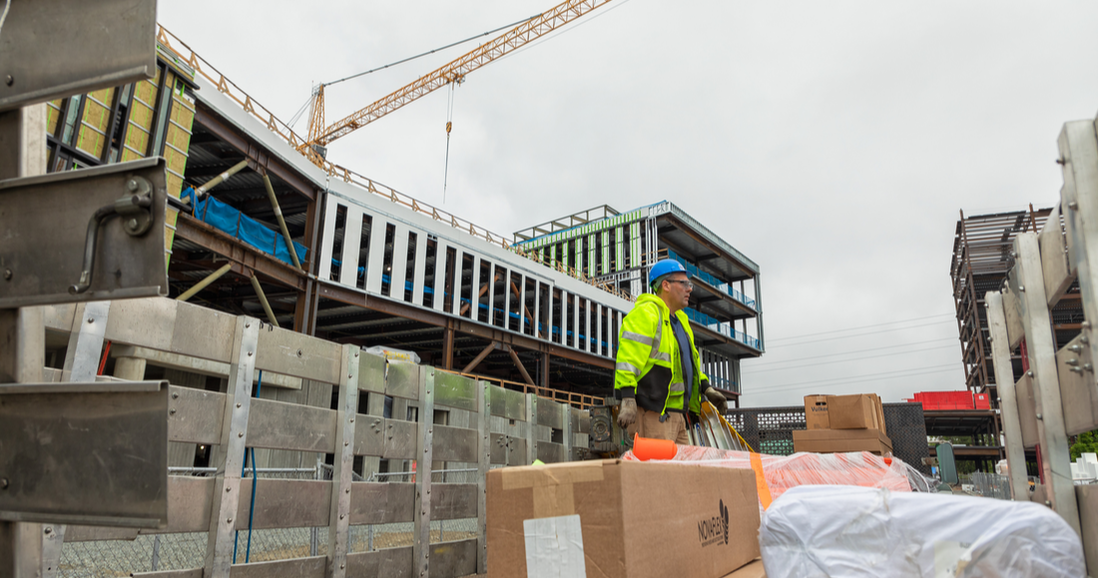
Employee at job site
While there are many construction injuries, the second most-common cause of workplace injuries are slips, trips, and falls. Approximately, 26,000 construction workers were injured on the job and 186 were fatally injured. In the U.S., the Bureau of Labor Statistics’ 2019 data shows approximately 27 incidents per 10,000 full-time workers.

The most common workplace injuries

  1. Sprains, strains, and tears: approximately 35 incidents per 10,000 full-time workers
  2. Soreness or pain: approximately 18 incidents per 10,000 full-time workers
  3. Cuts, lacerations, and punctures: approximately nine incidents per 10,000 full-time workers
  4. Bruises and contusions: approximately nine incidents per 10,000 full-time workers
  5. Fractures: approximately eight incidents per 10,000 full-time workers

While sprains, strains, and tears are the most-common type of non-fatal workplace injury leading to missed time from work, these injuries are roughly in the middle in terms of the number of days they cause workers to miss.

Worksite safety, what you should do? 

  • Discuss tasks with coworkers; determine the safety equipment needed
  • Do a visual scan of worksites for potential hazards before starting a job
  • Make sure you are trained on how to use the proper equipment for the job
  • Keep walking and working surfaces clean
  • Keep stairways, passageways, and gangways free of materials, supplies, and obstructions.
  • Pick-up and place all debris or trash in its proper container
  • Hammer in, bend, or remove any nails protruding from scrap lumber
  • Remove any items that are not being used from the work area
  • Keep lavatory and toilet facilities (stationary or portable) clean and sanitary
  • Setup equipment on level surfaces, especially ladders!
  • Check the weather forecast; never work in harsh weather
  • Ensure stepladders have safety locks and use an upper support
  • Always keep two hands and one foot, or two feet and one hand on the ladder
  • A straight or extension ladder should be 1 foot away from the surface it rests on for every 4 feet of height and extend at least 3 feet over the top edge
  • Wear slip-resistant shoes and do not stand higher than the third rung from the top
  • Do not lean or reach while on a ladder; have someone help you
  • Never use old or damaged equipment; check thoroughly before use  
    ​ 
Sources & References:
  1. https://www.aviva.ca/en/business/blog/5-most-common-workplace-accidents-on-construction-sites/
  2. https://www.federated.ca/blog/workplace-safety/how-to-make-your-job-site-cleaner-and-safer/
  3. https://www.bls.gov/iif/soii-charts-2018.pdf; https://www.nsc.org/work-safety/safety-topics/slips-trips-falls
  4. www.hse.gov.uk/pubns/indg225.htm.
​ 
Content originally from Worx Environmental Products​​. Reused here with permission.
Vertical Divider
Want to see more supplier content? Click here.
Subscribe

​Got feedback?
 Email us at
[email protected]
WHERE INDUSTRY MEETS INNOVATION
Sign up for the latest info and our free magazine
Sign Up
Company 
About Us
Careers
Responsible Sourcing 
ESG
​Press Room
Connect
Contact Us
Locations 
Certifications
Governance
Accessibility
Legal Information 
Privacy Statement 
Resources
Fastenal.com
​Fastenal Canada
Fastenal Mexico
Fastenal Europe
​Fastenal Brazil
Fastenal China
​Blue Lane Freight
Vehicles for Sale 
Emergency Response
Copyright © 2026 Fastenal Company. All Rights Reserved.
  • Home
  • Case Studies
  • Magazine
