
Why it's important to have workers test PPE
Updated August 21, 2023
By Makenzie Hoffman, QSSP | Safety Supplier Development Manager
By Makenzie Hoffman, QSSP | Safety Supplier Development Manager
|
PPE. Take a second to think about what those letters stand for. Personal Protective Equipment. The goal is built right into the term. Because when you think about it don’t you want everyone on your team to have gear that is specific to their fit, form, and function?
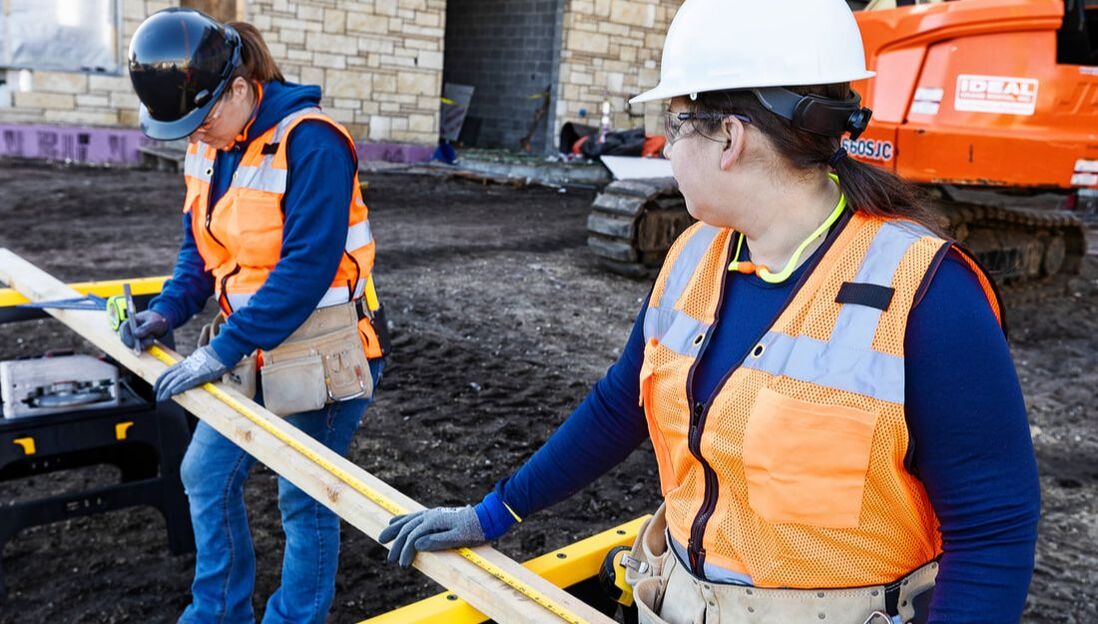
Fit matters You wouldn’t ask an employee who weighs 130 pounds to wear an XL hi-vis vest. Why? Ill-fitting safety gear isn’t safe. Safety managers know it, and workers know it, too. All too often employees feel they don’t have good options and they wind up using PPE that fits poorly. This can lead to the PPE itself becoming the problem and getting caught on things. Employees shouldn’t have to worry if their PPE will protect them. Instead, they should know the gear was purposefully selected to increase their safety. Include workers
To get the best outcome for your team, involve workers in the testing of new PPE. When brought into the process, workers feel ownership in the PPE selection. This helps improve buy-in from the rest of the team and can streamline implementation. You can also bring in a safety team to assist with proper PPE trials and fitting sessions. With those professionals involved, you can get greater employee buy-in for your new safety gear and/or program. In general, employees who test equipment beforehand are more accepting of the PPE, how to wear it, and when to change it out. Plus, having experts assist with PPE training gives employees a chance to ask questions and learn about the gear. In the end, this helps them feel more engaged with PPE decisions. And again, keep in mind that fit matters. Testing types Wondering how this works? Well, programs can be built around fit testing. And the tests aren’t just subjective; there are metrics that can be used to ensure proper fitting PPE. You can find comprehensive PPE assessments depending on what’s needed for your line of work. Common fit tests
Takeaway Again, you can find different testing methods for each category of PPE. It’s easy to work with safety specialists to ensure your team is fully involved in testing potential PPE. Between trying out products and having their voices heard, workers will be more engaged in any new PPE that’s brought in to their work. Vertical Divider
|
Want more?
If you want to find more info on PPE – specifically PPE designed for women – just head here. Like what you're seeing here? Subscribe to the Blue Print for FREE and get the magazine sent right to your address.
|
