How to recycle on a workflow level
April 11, 2022
By Blue Print Editorial Team
By Blue Print Editorial Team
|
From our homes to our workplaces, recycling is always an option. But how do we make it easy? How do we make it work for us?
Two words: recycling programs. Many municipalities offer them. You wheel a bin out to the curb and items are taken to be sorted. If you want to do that on a workflow level, all you need are the right partners. What can be recycled? More and more, folks want to keep things out of the landfill, but what can be recycled these days? It’s shifted beyond the simple plastic, glass, and paper that everybody thinks about in their home. And it’s really expanded to include office supplies, janitorial items, and even packaging & shipping materials. Plus, the area of personal protective equipment alone has seen an expansion in recycling options. PPE such as earplugs, coveralls, and gloves all have programs available now. These days any item that ends up in the waste stream is something that companies are challenging themselves to find ways to recycle. 
What are waste streams?
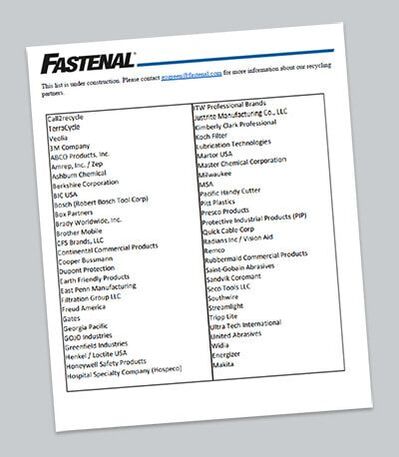
So, you’ve read “waste stream” a couple of times now. In its simplest form, a waste stream is the type of material in a product. It could be scrap metal or a Tyvek suit. It could be flashlights or breakroom supplies. Really, regardless of the item, the idea is the same. Use something as much as possible, and then have a plan for when it’s used up. Finding a program No surprise here, but step one is identifying your waste streams. Basically, look at your different types of waste and work backward from there. Once a product ends in consumption, let's say a glove or an earplug for example. When those are ready for recycling, there are take-back programs such as Veolia or TerraCycle. These companies have really stepped up to the plate and created a way to find recycling opportunities for these different items to be reused. If you’re unfamiliar with a take-back program, it’s a simple process. Every program's a little different and really driven by the waste stream itself. But the basic idea is that there’s a box in your facility for recyclable items, say masks. When the box is full, you just ship it. The items get recycled, and then there's reporting available. Plus, with so many companies working across borders, these programs are often global. See which programs can help you! 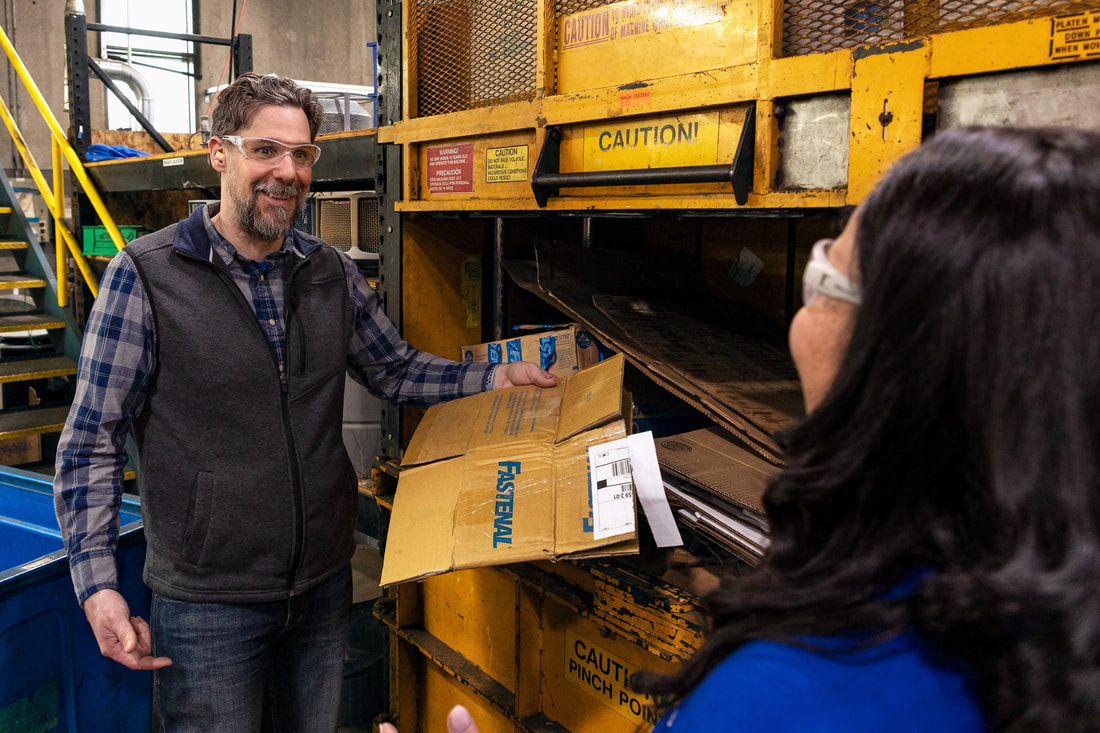
Most common waste streams
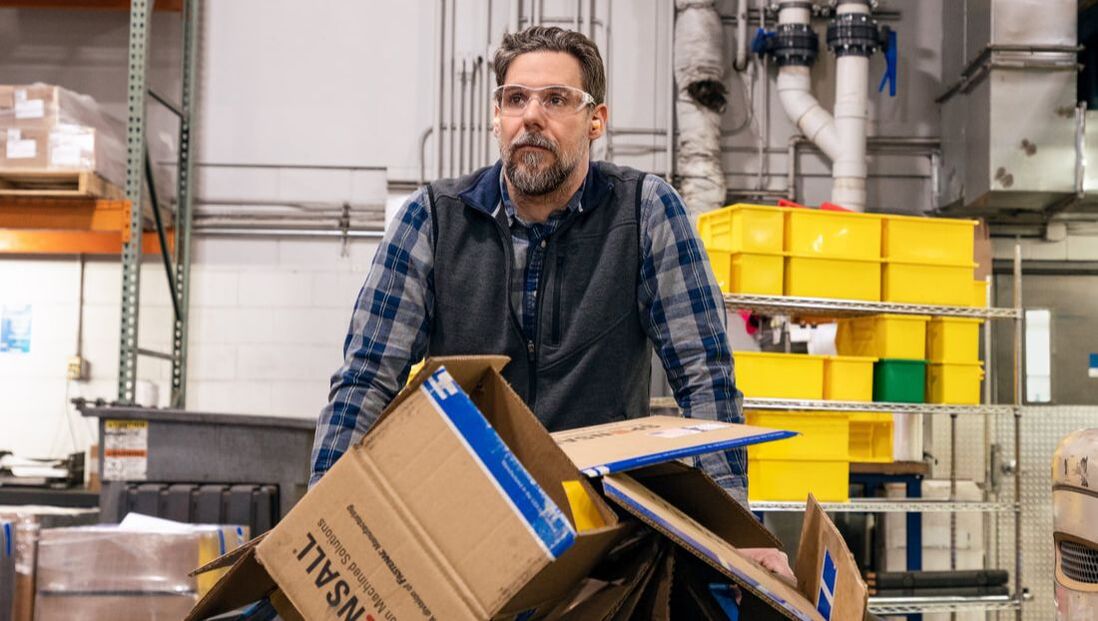
Many organizations start with the packaging that enters their facility and really anything that can go into a garbage can or recycling bin. So, cardboard and paper products are big first steps to take. Beyond those basic ones, waste streams have really gotten to the point where even chemicals and metalworking fluids are being recycled. But the biggest one that people are now identifying is PPE. Think of people coming into a facility. Every single day, they need to put on a new pair of gloves and grab earplugs. Well, those can only be used one time in many cases or until a certain number of uses. Often, these near single-use items end up in the garbage. But they don’t have to. More and more companies are offering recycling programs for common items. One example is the RightCycle program. If you use nitrile gloves, safety glasses, or protective clothing, this program can keep those from going in the trash. Instead, you just collect these previously hard-to-recycle items and ship them away. Recycling programs turn these materials into new consumer goods. For example, chemicals are used in concrete, paper products help produce more paper products, and pallets are turned into park benches. Next steps If you're thinking about recycling on a workflow level, here's how to get started.
Now, start having conversations. There are options for every waste stream, and Fastenal can be a part of those solutions. When you work with either your local Fastenal or our compliance team, we make it easy to identify which programs will fit you best. The final takeaway? Finding the right program can make workflow-level recycling much easier Interested in seeing more? Watch our video about this article! You may also like: Vertical Divider
|
See which programs can help you!
Like what you're seeing here? Subscribe to the Blue Print for FREE and get the magazine sent right to your address. |