THE BLUE PRINT
  • Home
  • Case Studies
  • Magazine
  • Home
  • Case Studies
  • Magazine
Search

How to protect your eyes at work

April 15, 2024
By Honeywell, for the Blue Print
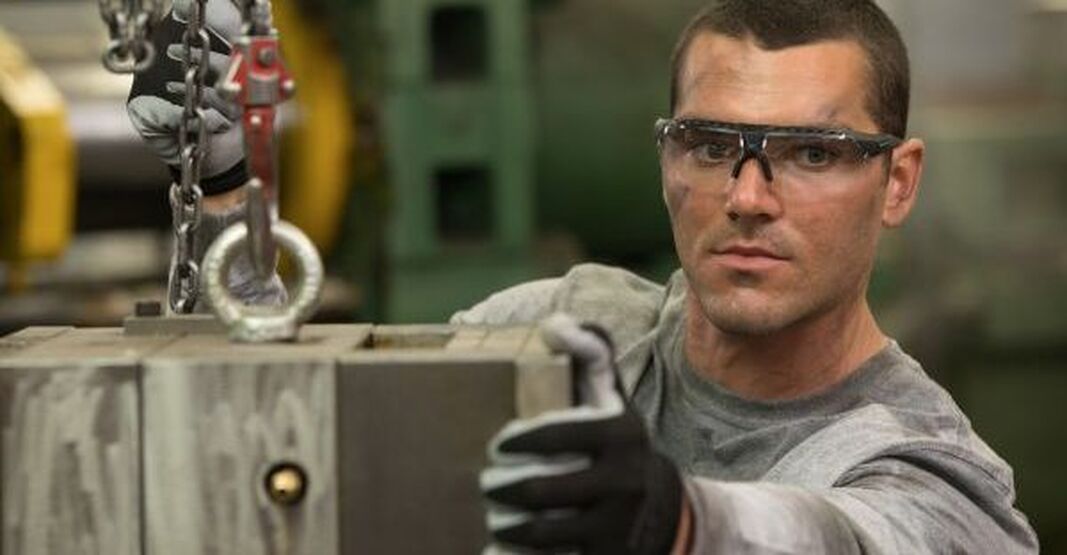
Employee wearing safety glasses
Eye injuries are one of the most common and preventable hazards in the workplace. Eye injuries can range from minor irritations to permanent vision loss, and can be caused by various hazards, such as flying objects, chemicals, radiation, dust, or sparks. Fortunately, most eye injuries can be avoided by wearing appropriate safety eyewear. 
​

What is safety eyewear?

Safety eyewear is any device or accessory that protects the eyes from potential hazards in the work environment. It can include spectacles, goggles, sealed or gasketed eyewear and face shields, depending on the type and level of risk involved.

It should meet applicable standards and specifications, like the American National Standards Institute (ANSI) and the Occupational Safety and Health Administration (OSHA) and should be selected based on the specific application and needs and tasks of each worker. Safety eyewear can be crucial to vision in multiple work environments. 
​

Types of safety eyewear

There are different types of safety eyewear for different types of hazards, such as:
  • Impact-resistant: Designed to protect the eyes from flying objects, such as metal, wood, or plastic, that can cause cuts, bruises, or fractures. Can include safety glasses, goggles, or face shields, and should have side shields or wraparound frames to prevent objects from entering from the sides.
  • Chemical-resistant: Designed to protect the eyes from splashes, vapors, or mists of harmful chemicals, such as acids, bases, or solvents, that can cause burns, irritation, or infection. Can include goggles with a tight seal around the eyes to prevent leakage. As a secondary source of protection, face shields can be worn with required safety glasses under the shield.
  • Radiation-resistant: Designed to protect the eyes from exposure to harmful radiation, such as ultraviolet (UV), infrared (IR), or laser, that can cause damage to the cornea, retina, or lens. Can include glasses, goggles, or face shields, and should have special filters, coatings, or lenses to block or reduce the intensity of the radiation.
  • Dust-resistant: Designed to protect the eyes from dust, dirt, or particles, such as sand, cement, or sawdust, that can cause irritation, inflammation or infection. Can include glasses, goggles, sealed/gasketed eyewear, face shields and full-face respirators (worn with eye protection) that should prevent entry of the dust.
    ​ 

Conclusion

Wearing safety eyewear is an essential part of occupational health and safety and can help prevent avoidable eye injuries and vision problems in the workplace. Workers should always wear eye protection that is suitable for their job and the specific hazards they face.

Workers should also follow the instructions and guidelines of their employers and the manufacturers of the safety eyewear for maximum benefit and protection. Eye protection should always be inspected, cleaned, maintained regularly, and replaced when damaged or worn out.

By wearing safety eyewear, workers can help protect their vision, and enjoy a safer and healthier work environment.
​ 
​Content originally from Honeywell. Edited and reused here with permission.
Vertical Divider
Want to see more supplier content? Click here.
Subscribe

​Got feedback?
 Email us at
[email protected]
WHERE INDUSTRY MEETS INNOVATION
Sign up for the latest info and our free magazine
Sign Up
Company 
About Us
Careers
Responsible Sourcing 
ESG
​Press Room
Connect
Contact Us
Locations 
Certifications
Governance
Accessibility
Legal Information 
Privacy Statement 
Resources
Fastenal.com
​Fastenal Canada
Fastenal Mexico
Fastenal Europe
​Fastenal Brazil
Fastenal China
​Blue Lane Freight
Vehicles for Sale 
Emergency Response
Copyright © 2025 Fastenal Company. All Rights Reserved.
  • Home
  • Case Studies
  • Magazine