
Maintaining lime-free construction vehicles
August 7, 2023
By CLR PRO for the Blue Print
By CLR PRO for the Blue Print

|
As construction season is in full swing, roads and infrastructure projects become a common sight. While these developments are essential for progress, they can also create a host of
challenges, including the presence of lime powder. It is crucial to keep construction vehicles clean and free from lime powder. Lime powder, often used for soil stabilization, concrete mixing, and erosion control, can inadvertently find its way onto construction vehicles. Failing to address this issue can lead to a range of problems, including diminished equipment performance and damage to vehicle surfaces. Lime powder accumulation on construction vehicles can interfere with their functionality and safety. Components such as brakes, joints, and mechanical parts can become clogged or compromised, affecting the vehicle’s overall performance, productivity, and safety. And buildup on windows can severely impact visibility, making it dangerous for operators. Lime powder is highly alkaline, and prolonged exposure to vehicle surfaces can cause corrosion and damage. The corrosive nature of lime powder can eat away at the vehicle’s paint, metal, and electrical components, leading to premature wear, rusting, and expensive repairs. Ensuring clean and safe construction vehiclesTo maintain the efficiency, safety, and longevity of construction vehicles during construction season, here are some practical tips to keep them clean and clear of lime powder:
Implement a routine cleaning schedule:
Removing lime buildup regularly with safer chemicals helps eliminate the need for harsher acids that are corrosive, harmful to users if mishandled, and dangerous to the environment. 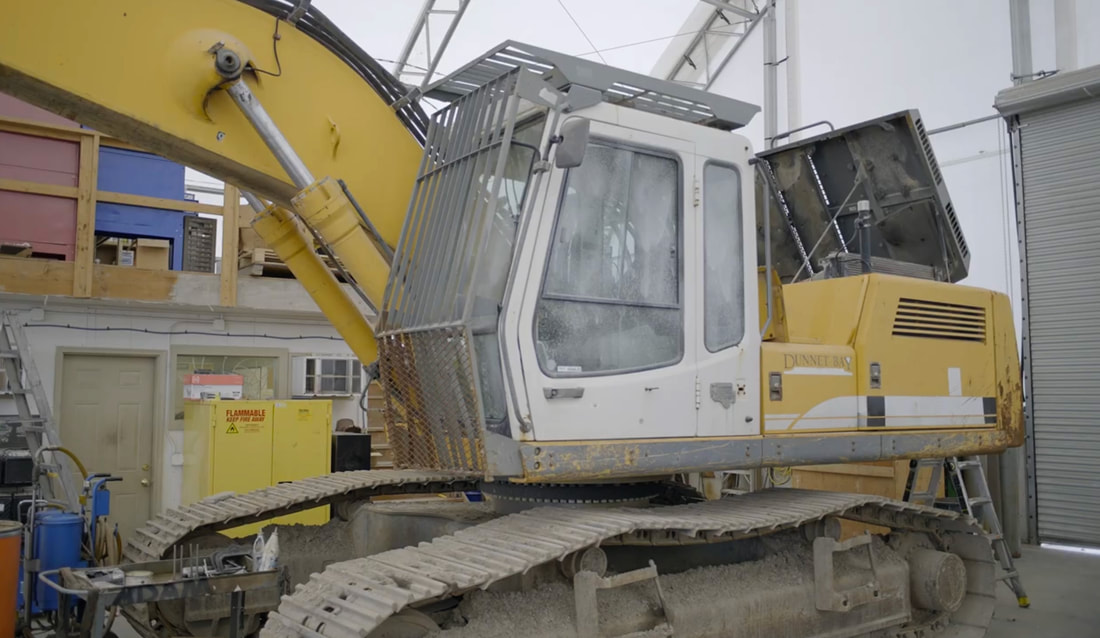
Take precautionary measuresApply protective coatings such as wax or sealants on construction vehicles. These coatings provide an additional layer of defense against lime powder, making it easier to clean and minimizing the risk of corrosion.
Conduct regular inspectionsEnsure that filters, such as air and cabin filters, are clean and functioning optimally. Replace or repair any damaged components promptly to prevent further issues.
Minimize the spread of lime powderImplement measures to minimize the spread of lime powder on construction sites. Use dust control methods, such as watering down work areas or utilizing barriers and enclosures, to contain and prevent the dispersion of lime powder onto vehicles.
Following these best practices, construction companies can mitigate the adverse effects of lime powder, ensuring equipment longevity and even more importantly, safety.
Content originally from CLR PRO. Reused here with permission. Vertical Divider
|
|
